
Hoffa’s Disappearance
I Heard You Paint HousesThis thread follows James R. Hoffa from his effort to reclaim the Teamsters through the lure, killing, and unresolved aftermath described by Frank Sheeran.
increasing Bearing strength in each event
 decreasing
Bearing strength in each eventdecreasingThe Union Comeback
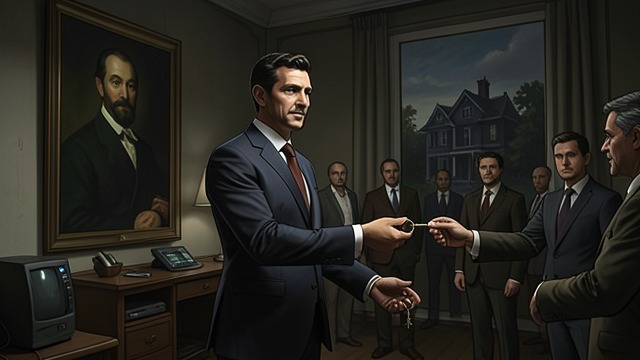
A Return to Power
The campaign
After prison, James R. Hoffa wanted back the union presidency he believed was his. His pardon barred him from union management until 1980, so he challenged the restriction and prepared to run in 1976.
He attacked Fitz and warned publicly that he would expose damaging records. The campaign gave his old allies reason to fear what he might do with power restored.
The danger
At a 1974 meeting, Rosario Bufalino urged him to stop. Hoffa refused, insisting that it was his union and that he would not surrender it to Fitz.
The Last Warning
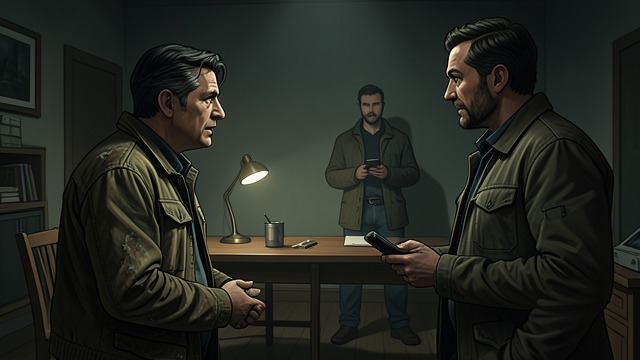
A Warning Unheeded
The call
Frank Sheeran called James R. Hoffa from Philadelphia and urged him to reconsider his return to power. He said Rosario Bufalino had authorized the call and offered a meeting to settle the dispute.
Hoffa agreed to meet at his Lake Orion cottage after a wedding in Detroit. Sheeran believed the proposal might still avert violence.
The threat beneath it
Hoffa insisted that he would not back down and said he had records ready if anything unnatural happened to him. Sheeran understood the danger but could not persuade his friend to retreat.
The Meeting That Failed
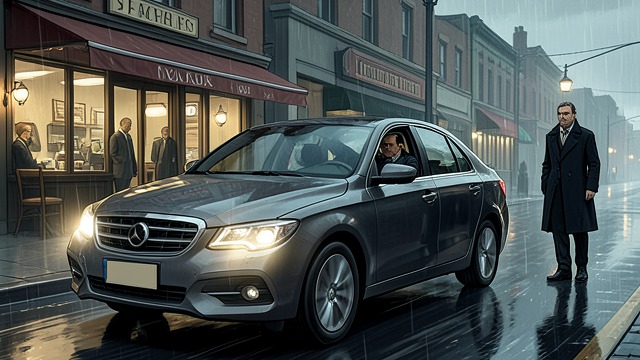
A Meeting Replaced
The decoy
James R. Hoffa expected a meeting with Tony Jack and Tony Pro at the Machus Red Fox Restaurant. Instead, the two men did not arrive as planned, and Chuckie O’Brien appeared in a maroon Mercury with Salvatore Briguglio.
Sheeran says his presence helped reassure Hoffa that Rosario Bufalino was waiting at a private meeting. Hoffa entered the car and was driven to a house in Detroit.
The trap
At the house, Hoffa saw no welcoming party and recognized the danger. Sheeran says Hoffa turned toward the exit, but Sheeran shot him twice in the back of the head.
The Vanishing
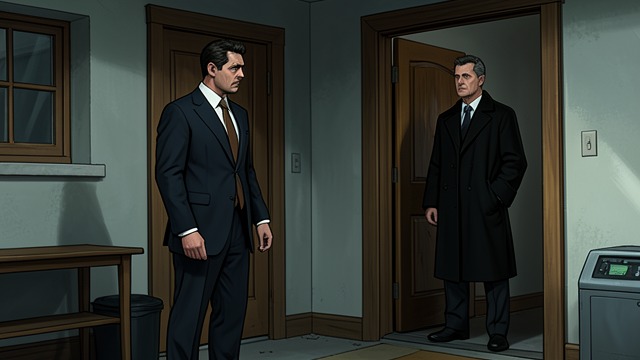
Disappearance and Secrecy
The removal
In Sheeran’s account, men in the house cleaned the scene and removed Hoffa’s body. He says he left alone and returned by plane to Port Clinton, where Rosario Bufalino and the women were waiting.
The family had no body, funeral, or explanation. The absence transformed a murder into a national mystery and prolonged the family’s uncertainty.
The report
Five days later, Sheeran says, he and Bufalino met Tony Pro and others in New York to report what had happened. The account presented here is Sheeran’s confession, not a court finding.
An Unclosed Case
The Case Reopens
Public confession
In 2001, James Hoffa asked publicly for a deathbed confession. Frank Sheeran later stood behind his account on video, and Charles Brandt presented the interviews as the history of Hoffa’s final day.
Investigators and journalists examined the account, including the house, a car, and forensic traces. The book also acknowledges that a forged Hoffa letter damaged the first publishing effort.
No final verdict
Blood found in the house did not match Hoffa’s DNA, while other details were argued to support or leave open Sheeran’s story. The FBI and Michigan authorities closed their files without charges, leaving the confession disputed.
1971–1974
July 27–29, 1975
July 30, 1975
July 30–August 4, 1975
2001–2005
